This was the week the robots got smarter, the platforms got richer, and the best marketing story in the profession turned out to be a calendar app sending an email.
OpenAI and Anthropic both shipped new flagship models within 48 hours of each other, the way airlines match fares. Envestnet announced a $35 million surge into Tamarac. And an advisor named Yohance Harrison went on YouTube and walked through the automated referral system that brought him 20 new clients this year without asking anyone to post daily content.
Three stories from this week that matter for your practice.
OpenAI Declared the AGI Era. Your Tuesday Still Has a 9 a.m. Review Meeting.
On Thursday, OpenAI launched GPT-6 Astra, calling it a generational leap and rolling it out first to approved organizations with paid ChatGPT tiers following over the coming days. At the press briefing, OpenAI president Greg Brockman told reporters "Welcome to the AGI era." You can decide for yourself whether we're there, but the feature underneath the big talk is real. The hallmark feature is computer use, meaning the model can operate software the way a person would, moving through spreadsheets, forms, and web pages on its own instead of just writing text about them. Not to be outdone, Anthropic shipped Claude Fable 5.1 on Tuesday, two days earlier, with a million-token context window and better long-running task performance. That's both major labs replacing their flagship models in the same week.
Why you should care: Somewhere under the AGI talk is a practical change worth understanding. The frontier models are moving from AI that drafts things to AI that does things, operating the same software you click through every day. For your practice, that means the meeting prep, the follow-up, and the reporting busywork keep getting more automatable, and it means the AI your clients use is getting more capable at the same pace. What doesn't change is the part the models can't supply. Your voice, your judgment, your compliance guardrails, and your relationships matter more as the machinery gets stronger, not less, because they're what separates your output from everyone else running the same model. So no, you don't need to drop everything and re-learn your stack this weekend. Strong habits and a good set of files will do more for your practice next year than switching to whichever model launched last.
Envestnet Put $35 Million Behind AI in Tamarac. The Platform Spending Spree Continues.
On Thursday, Envestnet announced what it calls a surge investment in Tamarac, its portfolio management platform for RIAs. The $35 million commitment is 2.5 times its regular annual investment in the product and part of a $1 billion, five-year research and development plan. For scale, $1 billion is also more money than I have, in case you were tracking that series from last week. The stated goal is putting AI directly into the workflows where advisors lose the most time, client reporting, data reconciliation, and portfolio management, built into the platform rather than bolted on as one more tool to learn. First up is Report Studio, a drag-and-drop reporting tool in beta now with full release planned for this fall. Envestnet says more than 100,000 advisors touch its platforms, and it cited Cerulli research projecting $124 trillion changing hands by 2048 as the reason the plumbing needs rebuilding now.
Why you should care: A week after Vanguard paid a reported $4 billion for Altruist, another major platform put real money behind the same thesis, that advisors win when the operational drag disappears and AI is how it disappears. Notice where every one of these platforms is aiming. Reporting, reconciliation, prep, the hours between the client conversations rather than the conversations themselves. Every platform is making the same bet, that AI should absorb the admin work so more of your week goes to clients. If you're on Tamarac, the Report Studio beta is open now and worth a look. If you're not, the takeaway is the same one from last week. The platforms are racing to hand you back hours, and the advisors who win that trade are the ones who already know what they'll do with the time.
The Best Marketing System of the Week Was an Advisor's Calendar App.
This week on Dave Zoller's Advisor Training channel, Yohance Harrison, CEO of Money Script Wealth Management, walked through the automated referral system running his practice's growth, and it's a beautiful piece of unglamorous engineering. A client's anniversary date triggers an automated text with his annual review scheduling link. When they book through Calendly, a workflow instantly sends a thank-you along with a copy of his current Form ADV. And once the review meeting has happened, Calendly automatically sends a referral email that thanks the client for the relationship and makes one niche-specific ask, only introduce me to residents becoming attending physicians. The origin story is the good part. When Harrison lost the team member who handled this manually, he described the tasks to his AI tool and asked how to automate them, and the AI pointed him to workflow features inside the Calendly subscription he already paid for. No new software, no agency, no daily posting. The numbers, all his, are hard to argue with. Thirty new clients this year, 20 of them from a client email or text introduction, and every referrer had an annual review within the prior six months. Roughly two thirds of his 300-plus household practice traces back to one client.
Why you should care: That last stat is the insight hiding in the interview. Every referrer had recently been through a review meeting, and that timing is the engine. The review meeting is the moment of highest trust, and his system simply makes sure the ask arrives while that moment is still warm. Many advisors ask for referrals never, or vaguely, or in December when the calendar reminds them. Harrison asks every client, automatically, at the exact right time, with an ask specific enough that a teacher client knew to send her best friend finishing residency. And the AI story here isn't a fancy model doing anything impressive. It's an advisor describing a job in plain words and letting AI find the automation sitting inside tools he already owned. That's a move any practice can copy this week, which is exactly what we're doing below.
Source: Dave Zoller Advisor Training on YouTube
Watt, the Amplify for Advisors Agent
See Watt solve this.
Paste your website once, and Watt drafts a week of posts with graphics in your voice and brand, ready for you to approve.
This week · ready for your review


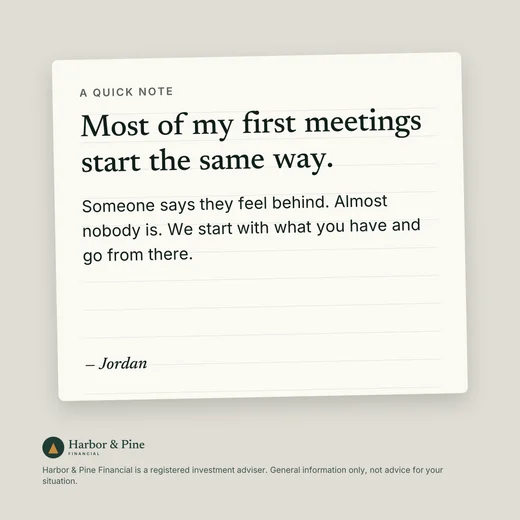
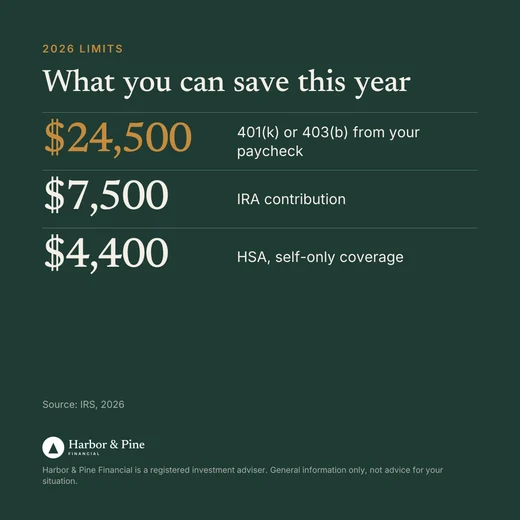

Open now. Watt drafts a week of posts, emails and graphics in your voice, with no client data needed.
Start your 7-day free trialONE THING TO TRY THIS WEEK
Set up one post-meeting Calendly workflow, borrowed straight from Harrison's system. If you use a different scheduler, Google Calendar and most booking tools can run the same play.
Step 1. Draft your referral email with AI so it sounds like you and asks for exactly who you want. Paste this into Claude or ChatGPT. "I'm a financial advisor writing a short email that will be sent automatically after a client's annual review meeting. My niche is [describe your ideal client in plain words]. Before you write anything, ask me one question at a time until you have what you need about my niche, my tone, and how I'd naturally thank a longtime client. Then draft an email that thanks them for the relationship, mentions I'm growing the practice, and makes one specific ask for introductions to [your niche], not a generic ask for anyone who needs an advisor. Keep it warm and short, under 150 words. Make no promises about outcomes or performance, include no client names or identifying information, and treat this as a first draft I'll review. If any part of a referral request like this would typically need compliance review at an RIA, point it out so I can check my firm's rules before turning it on."
Step 2. In Calendly, open the event type you use for review meetings, go to Workflows, and create one that triggers after the event ends, sending your approved email. That timing is the whole trick. The ask arrives while the trust from the meeting is still fresh.
Step 3. Turn it on for that one meeting type and let it run for a month. One good setup session, and every review meeting you hold from now on ends with your best marketing asset doing its job in the background. Harrison's data says the clients most likely to refer are the ones who just met with you. Now you'll never miss that window again.

Sam is the creator of Amplify for Advisors and Watt, the Amplify for Advisors Agent. A former RIA owner whose work has been featured in Forbes, NerdWallet, Nasdaq, and more, he teaches financial advisors to use AI in their own voice while staying compliant.